Regaining financial stability is an essential goal for anyone dealing with multiple debts, late payments, or rapidly rising interest rates. In an environment where the cost of living continues to increase, many consumers search for efficient ways to reorganize their finances. It is exactly in this context that Debt Consolidation Loans stand out as a practical, accessible, and strategic alternative.
As financial challenges become more complex, it is natural to look for solutions that provide clarity and immediate relief. For this reason, understanding how these loans work, their main benefits, and when they truly make sense becomes crucial. Throughout this article, you will discover how Debt Consolidation Loans can transform a chaotic debt situation into a structured, efficient, and, above all, sustainable financial plan.
Additionally, we will explore which mistakes you must avoid, how to assess trustworthy financial institutions, what factors to analyze before choosing a loan, and how this type of financial solution aligns with economic trends for 2025. With these insights, you will have a complete and accessible overview that will make decision-making much easier.
It is important to highlight that debt consolidation is not a miracle solution. However, when used responsibly, it can reduce interest rates, simplify financial routines, and accelerate your return to economic stability. Let’s explore how everything works and how you can use this alternative strategically.
What Are Debt Consolidation Loans?
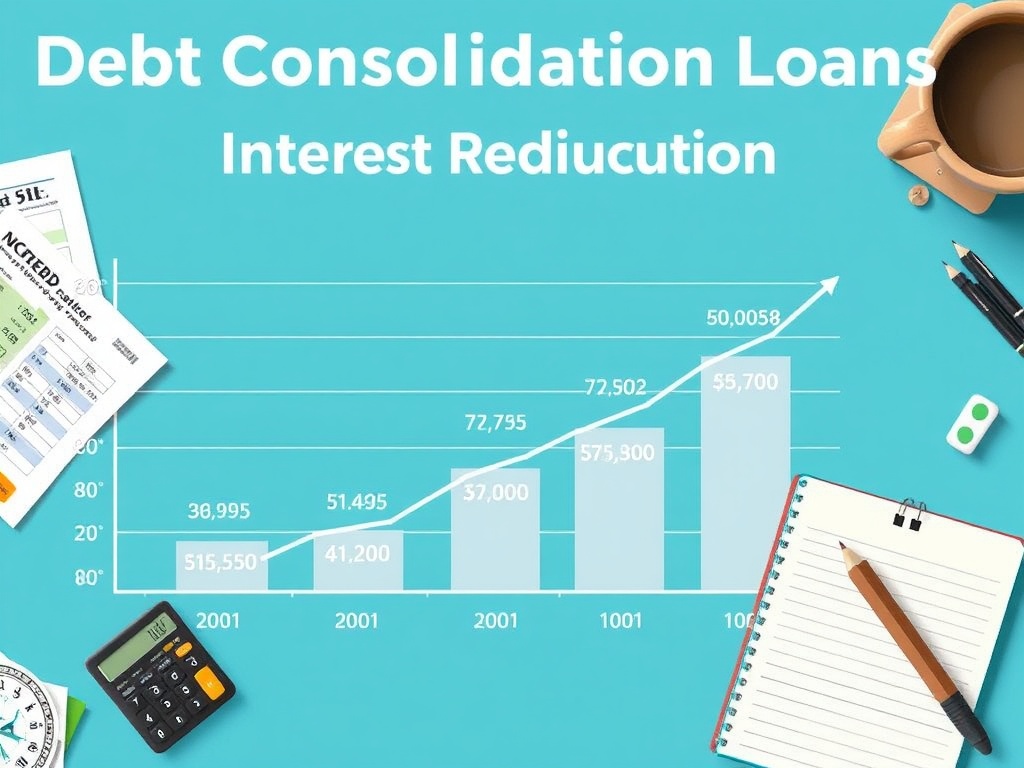
Debt Consolidation Loans are financial products designed to combine multiple debts into a single monthly payment. Instead of dealing with several bills, deadlines, and different interest rates, the borrower takes on a single loan with more predictable and organized conditions.
These loans are commonly used to consolidate debts such as:
- Credit card balances
- High-interest personal loans
- Old financing agreements
- Overdue bills
- Revolving credit lines
By centralizing everything into one loan, borrowers gain more control and typically benefit from a lower interest rate.
This simplified structure is one of the main advantages. Managing several due dates increases the risk of missed payments and additional fees. With one loan, financial organization becomes far easier.
Another benefit is that Debt Consolidation Loans are specifically designed for people who want to reorganize their financial lives. As a result, many institutions offer more competitive and transparent terms.
Why Are Debt Consolidation Loans So Popular in 2025?
In 2025, persistent inflation, higher interest rates, and rising debt levels have encouraged consumers from various income groups to look for efficient alternatives. This is why Debt Consolidation Loans have become one of the most sought-after solutions.
Three main factors explain this increased popularity:
1. Growth of short-term debt
With global economic instability, many people relied on quick credit options without considering long-term consequences. Consolidating those debts is now a smart way to regain control.
2. Higher credit card interest rates
Credit cards remain one of the most expensive forms of credit. Consolidating these balances can lead to significant savings.
3. Increased focus on financial stability
Consumers are more aware of financial planning, and debt consolidation is seen as an essential step toward achieving long-term stability.
Furthermore, technological advancements in the financial sector have streamlined the approval and loan management process, making consolidation faster and more transparent than ever before.
How Debt Consolidation Loans Work in Practice
The debt consolidation process involves a few clear steps:
1. Evaluate your existing debts
Start by listing all debts, including balances, interest rates, and due dates. This helps determine whether consolidation truly pays off.
2. Apply for a loan
Next, the borrower applies for a Debt Consolidation Loan with a reputable financial institution. The assessment usually includes credit checks, income verification, and payment history.
3. Pay off existing debts
Once approved, the new loan is used to pay off all previous debts. Sometimes, the financial institution pays creditors directly.
4. Make one monthly payment
The borrower then pays only one fixed installment, generally with a lower interest rate.
This structure reduces complexity, helps avoid late payments, and provides financial clarity — all essential steps toward regaining stability.
Main Benefits of Debt Consolidation Loans
Consolidating debts is not a last-resort option — it can be a smart financial strategy with many advantages. Here are the most relevant ones:
1. Lower interest rates
Many borrowers switch from extremely high credit card APRs to significantly lower rates. This alone represents major savings.
2. Simplified financial management
Managing a single monthly payment reduces stress and the likelihood of missed payments.
3. Improved credit score
Paying off old debts and maintaining a structured loan can improve your credit score over time.
4. Greater predictability
Fixed terms, fixed interest rates, and predictable monthly payments make budgeting far easier.
5. Psychological relief
The emotional burden of juggling multiple debts disappears when everything becomes organized and manageable.
When Is a Debt Consolidation Loan Truly Worth It?
This type of loan is especially beneficial when:
- Your current interest rates are very high
- You have several debts with different deadlines
- Your monthly payments overwhelm your budget
- The new loan offers lower rates
- You want to rebuild your credit
- Financial organization feels increasingly difficult
However, consolidation may not be ideal if the new loan’s interest rate is higher than your current rates or if you are likely to accumulate new debt afterward.
Common Mistakes When Getting Debt Consolidation Loans
To ensure financial success, avoid these frequent errors:
1. Not comparing loan offers
Each lender offers different terms. Always compare rates and conditions.
2. Ignoring hidden fees
Some institutions charge administrative or origination fees.
3. Not addressing spending habits
Consolidation helps, but real change requires healthier financial behavior.
4. Continuing to accumulate debt
Consolidation + new credit often leads to severe over-indebtedness.
How to Choose the Best Debt Consolidation Loan
Before committing, consider:
- Interest rates and loan terms
- Total loan cost (APR)
- Lender credibility
- Monthly installment affordability
- Whether the loan replaces all existing debts
Choosing consciously ensures that consolidation truly benefits your financial life.
Practical Tips to Maintain Stability After Consolidating Debt
To avoid falling back into debt, adopt these habits:
1. Create a realistic budget
Track income and expenses clearly.
2. Build an emergency fund
This prevents reliance on expensive credit during unexpected situations.
3. Cut nonessential expenses
Small, strategic adjustments can significantly improve your finances.
4. Renegotiate service contracts
Phone plans, internet, and subscriptions often have room for discounts.
5. Monitor your credit score
Good financial behavior reinforces long-term stability.

The Role of Debt Consolidation Loans in a Healthy Financial Life
Debt consolidation is not just a temporary fix — it is a meaningful restructuring tool. When used wisely, it reduces stress, eliminates high-interest debt, and restores financial control.
For anyone aiming to rebuild credit, reduce financial pressure, and achieve long-term stability, Debt Consolidation Loans can be a transformative step toward financial freedom.